
What the article says:
While older research such as the landmark 1998 ACE study showed that childhood trauma can have significant long-term health and mental health consequences, more recent science and community practice highlight that trauma does not inevitably define a child’s life. Researchers and practitioners are identifying ways to mitigate the harmful effects of early adversity by fostering positive relationships, supportive environments, and resilience-building experiences. These approaches, now being applied by educators, health care providers, and community groups, shift the focus from trauma as a lifelong burden to trauma as a challenge that can be addressed through intentional support and healing-oriented interventions.
Mike’s take:
This article captures an important evolution in the science. The 1998 Adverse Childhood Experiences (ACE) study showed a clear dose-response relationship between early adversity and later risks such as heart disease, depression, and substance use. We now understand much more about the biology behind that link, including how chronic stress can disrupt developing brain architecture and alter stress-response systems when children lack consistent, buffering relationships.
At the same time, newer research makes clear that adversity is not destiny. The same science that shows how toxic stress can harm development also shows how protective relationships can buffer those effects. Stable, responsive caregiving helps regulate a child’s stress response system, supports healthy brain development, and reduces long-term risk. Studies also demonstrate that positive childhood experiences, trauma-informed early education, and accessible infant and early childhood mental health services can strengthen resilience and improve outcomes.
At ZERO TO THREE, we emphasize this dual message: early adversity matters, and early relationships matter just as much. When policies and systems invest in supporting parents, expanding access to high-quality early care, and embedding trauma-responsive practices in pediatric and community settings, we are not just responding to trauma, we are actively shaping healthier developmental trajectories. The science gives us both urgency and hope.

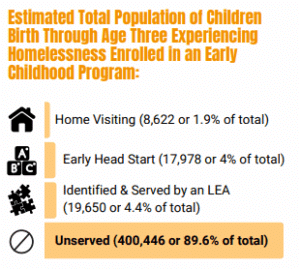 A recent Seattle Times article focuses on the School House Connection report,