
What the article says:
A recent Seattle Times article focuses on the School House Connection report, Infant and Toddler Homelessness Across 50 States, that found nearly 447,000 infants and toddlers experienced homelessness in 2022–2023, a 23% increase in just two years, with rates rising in nearly every state.
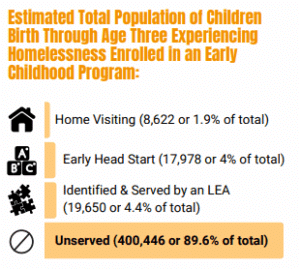
Being unhoused during the first three years of life poses serious risks to brain development, health, and emotional well-being, yet only about 1 in 10 of these young children are connected to early childhood programs that could help buffer these impacts.

Patty’s take:
This report makes clear that homelessness among infants and toddlers is not just a housing issue. It is an early childhood development crisis that we can no longer ignore. The earliest years of life are when a child’s brain is growing and changing at an extraordinary pace, laying the foundation for everything that follows. Yet for far too many babies and toddlers, that foundation is being built amid instability and chronic stress.
When families with very young children do not know where they will sleep or how they will meet basic needs, that stress reaches children at the moment their brains are most sensitive to their environments.
The report highlights several urgent realities:
- Homelessness among infants and toddlers is rising rapidly across nearly every state.
- Only about 10 percent of these young children are connected to early childhood development programs that could help protect their development.
- Families face barriers including limited program availability, frequent moves and systems that are not designed to work together.
Counting infants and toddlers who are unhoused is an important step forward, but it is only the beginning. If we are serious about giving every child a strong start, we must act with urgency by strengthening coordination across housing, health, and early childhood systems and investing in stable housing and early supports for families with babies and toddlers. Acting early can prevent deeper harm, support parents, and change the trajectory of a child’s life.
Read more and see Patty’s response in the Seattle Times.